Author: Artur Bonkowicz
What to use to polish tires and how to do it?
More
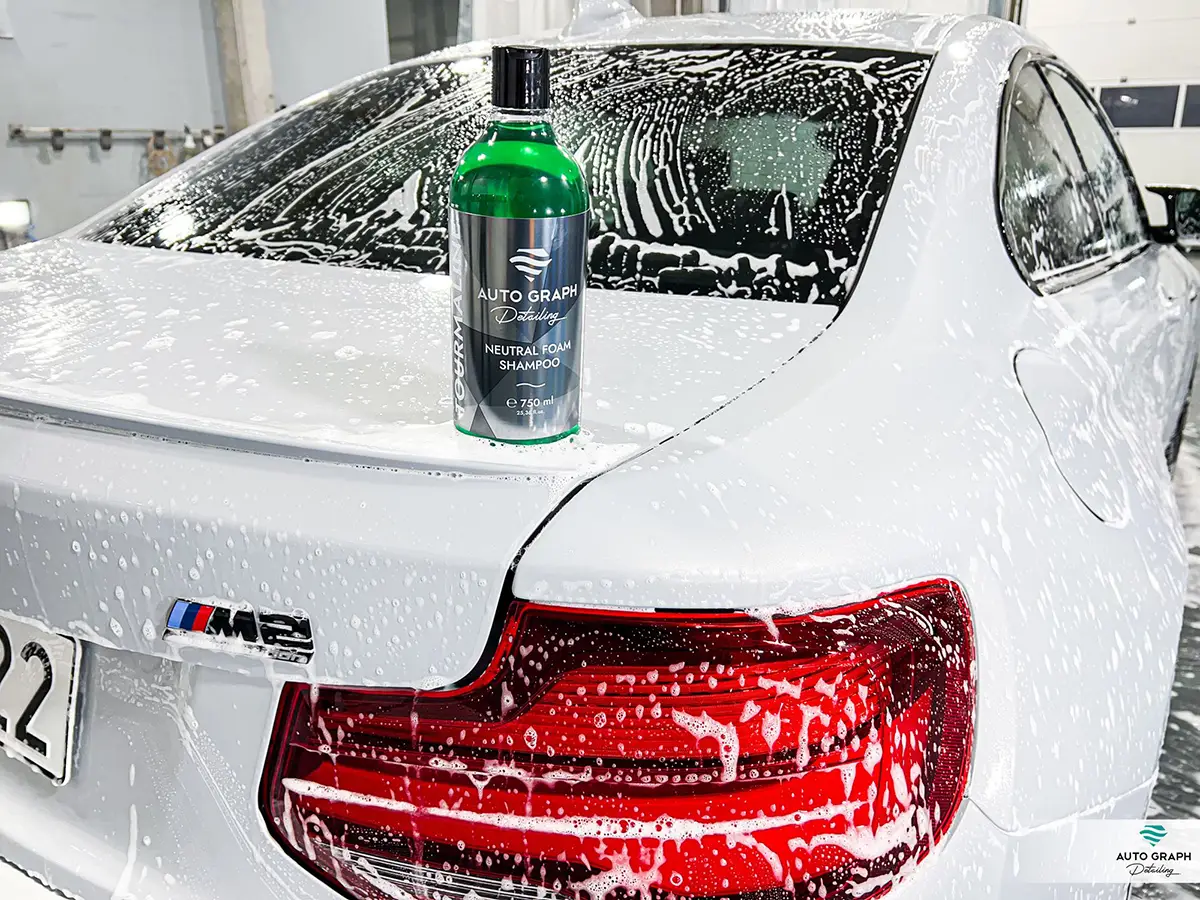
Leaving a wet body to dry on its own is one of the most serious mistakes in the art of vehicle care. Tap water, and often even water available at touchless car washes, contains minerals – mainly calcium and magnesium. In the water evaporation process, these compounds deposit on the paint, creating difficult-to-remove deposits known in the industry as “water spots”. Worse still, water drops act like lenses focusing sunlight, which on hot days can lead to permanent clear coat etching.
Knowledge of how to dry a car after washing is therefore as important as the ability to select appropriate chemistry. When choosing professional car wash cosmetics, we must remember that the care process doesn’t end at the moment of the last foam rinse.
Proper car drying is a stage that determines the vehicle’s final appearance and paint coating safety. Remaining moisture penetrates micro-cracks, which in the long term can accelerate corrosion processes in critical body points, such as lower door edges, seal areas, or trunk recesses.
Detailing experts point to two main threats resulting from skipping this stage:
When analyzing why thorough car drying is important, it’s also worth mentioning surface preparation for subsequent treatments. Applying wax, sealant, or dressing to a wet or damp surface is ineffective and prevents product bonding with the substrate.
Choosing appropriate accessories is crucial to avoid creating “swirls” – circular micro-scratches visible in full sun. Chamois leather (natural or synthetic), popular for years, no longer meets today’s standards. Its flat structure doesn’t have a safety buffer – it can’t isolate any sand particles that might have been missed during washing. In this case, rubbing the paint with chamois resembles sandpaper action.
Currently, the gold standard in drying a car are microfiber towels with appropriate weight and weave. We distinguish two leading types:
When considering what to dry a car with, it’s worth looking for products with weight above 500 GSM (grams per square meter). The higher the weight and more plush the pile, the greater the safety buffer for paint. Fluffy microfiber can isolate accidental particles deep in the material, significantly reducing the risk of their contact with paint compared to flat materials.
Despite the mentioned safety buffer provided by microfiber, you must be aware that even the best towel will cause damage if the washing process isn’t conducted perfectly. The biggest enemy during drying isn’t water itself, but road film and sand particles. Moving a towel over an improperly washed surface is a guarantee of scratches.
To minimize this risk, it’s crucial to use effective pre-wash spray. A product such as CITRINE Traffic Film Remover (TFR) effectively dissolves heavy contaminants. For more difficult details, recesses, or seals, it’s worth using APC (e.g., strong concentrate Amber), which handles greasy contaminants.
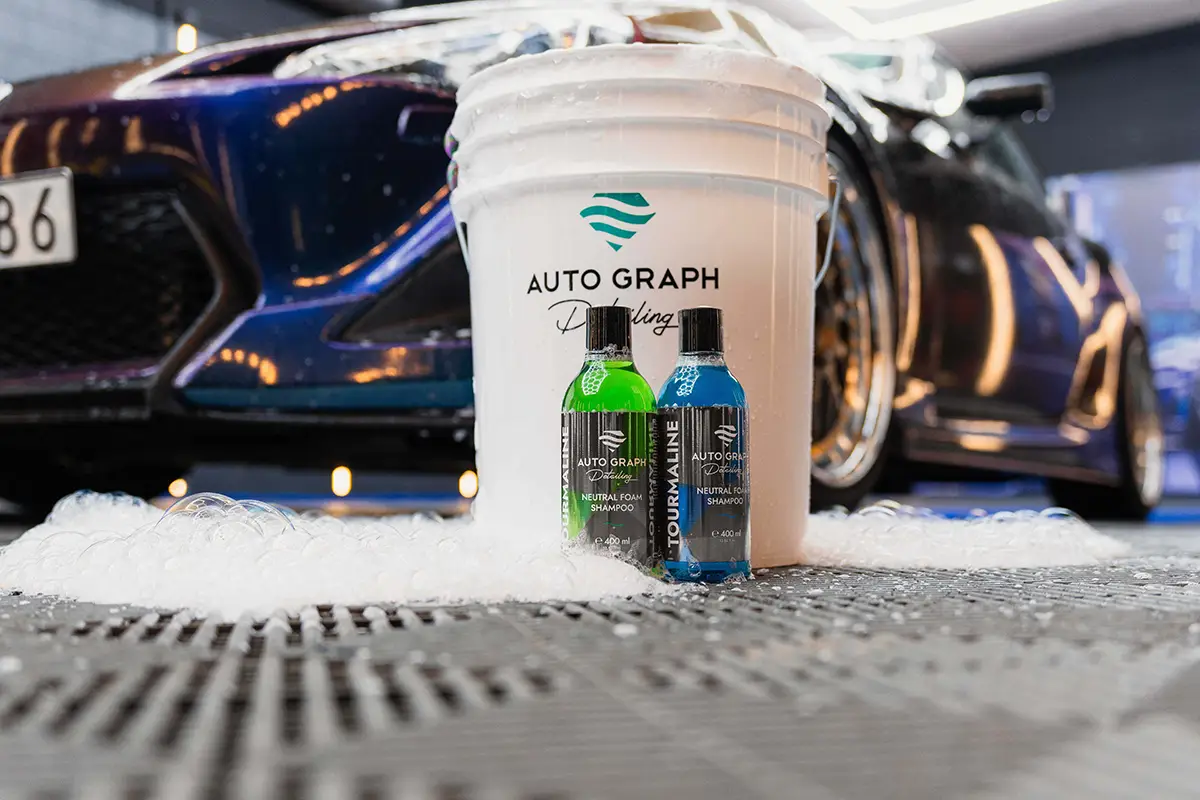
Only after rinsing the pre-wash chemistry do we proceed to hand washing. Here the question often arises: which car shampoo to choose?
Remember that for full safety, two-bucket car washing is always recommended – it’s an absolute foundation, thanks to which the surface you’ll later dry will be free from aggressive solid particles.
Choosing appropriate products is crucial for maintaining paint in good condition. When choosing, towel working technique is as important as its quality. Proper car drying after washing should occur in shade, on cool paint. There are two main methods of working with microfiber:
The key to how to dry a car effectively is starting work from the upper body parts (roof), gradually moving downward. This prevents water from running onto already dried elements.

In the case of complicated body shapes, radiator grilles, wheels with dense spokes, or mirror recesses, a towel may prove insufficient. Here technology comes to help. The answer to how to quickly dry a car in hard-to-reach places are car detailing blowers.
A stream of warm, filtered air expels water from crevices, preventing later formation of irritating streaks. This method is especially recommended when drying wheels (which you previously cleaned with e.g., Amethyst product), door recesses, and the engine bay. However, remember not to use regular workshop compressors without oil separators, as they can “spit” clean paint with grease particles.
After thoroughly drying the body, the true condition of external plastics and paint becomes visible. Water effectively masks imperfections, but a dry surface mercilessly exposes the effects of UV radiation. Therefore, a guide on how to dry a car after washing wouldn’t be complete without mentioning impregnation.

Properly conducting the drying process requires combining appropriate chemistry, tools, and technique. Below we present a shortened action scheme consistent with detailing art:
Awareness of how to dry a car according to detailing principles allows you to maintain paint in impeccable condition for years, eliminating the need for frequent polishing corrections.
Want to complete the necessary chemistry for safe washing and drying? Check out the full range of Auto Graph Detailing products that will take your car care to the next level.

Published: