Author: Artur Bonkowicz
How to wash a car with a ceramic coating?
More
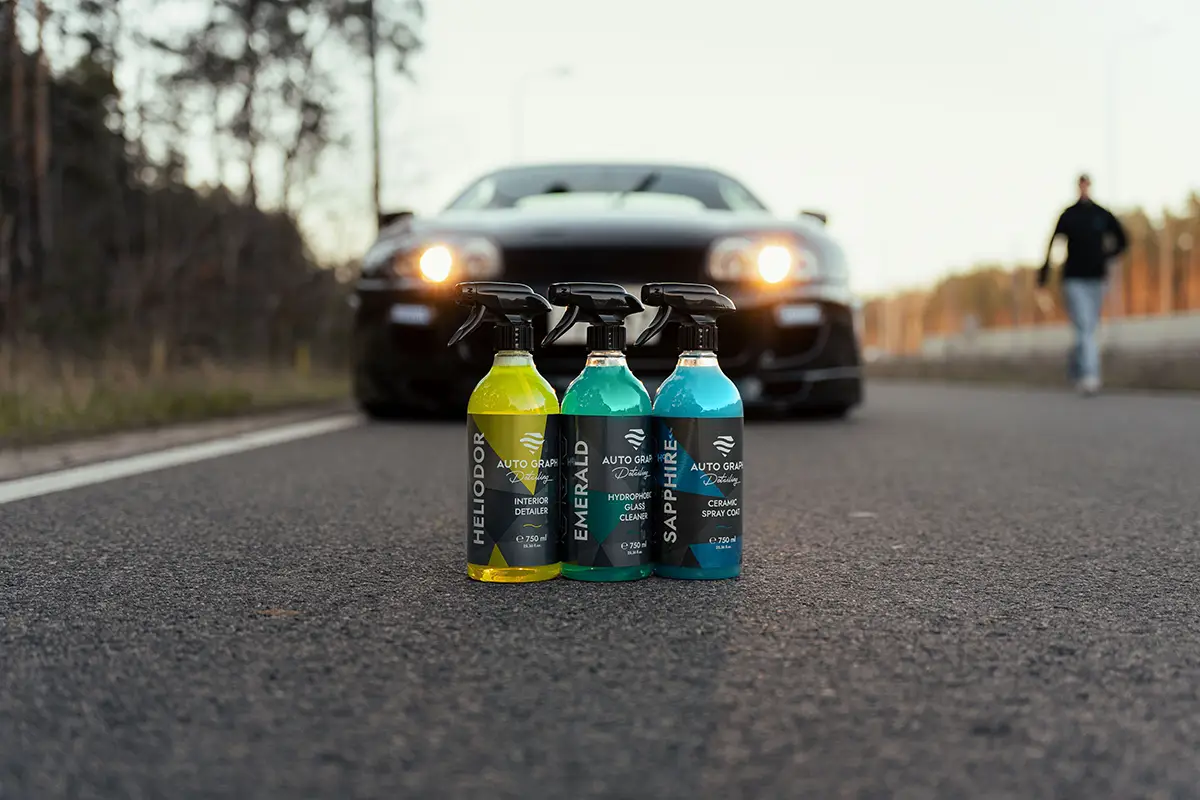
Car paint undergoes daily degradation due to external factors. UV radiation, acid rain, and road contaminants permanently destroy the coating structure. Professional car paint protection allows you to stop these processes and preserve the vehicle’s aesthetics for years. The key to success is choosing the right technologies and rigorously following surface preparation stages.
Every body protection process begins with decontamination, which is thorough paint cleaning from metallic deposits and other contaminants such as tar, asphalt, or road grime, ensuring ideal adhesion for waxes or coatings. It’s worth performing complete paint decontamination to ensure proper product bonding.
In the first stage, apply a pre-spray with CITRINE product. This alkaline preparation effectively removes the heaviest road contaminants and degreases the surface. Then apply active foam CARNELIAN, which thanks to its thick consistency penetrates dirt. This foam contains corrosion inhibitors, which protect metal elements already at the washing stage.
The next step is proper washing using the two-bucket method. Use neutral pH shampoo TOURMALINE, which is safe for paint and hands. To remove metal filings from rims and body, use AMETHYST product. This product changes color to red upon contact with contaminants, signaling deposit dissolution.
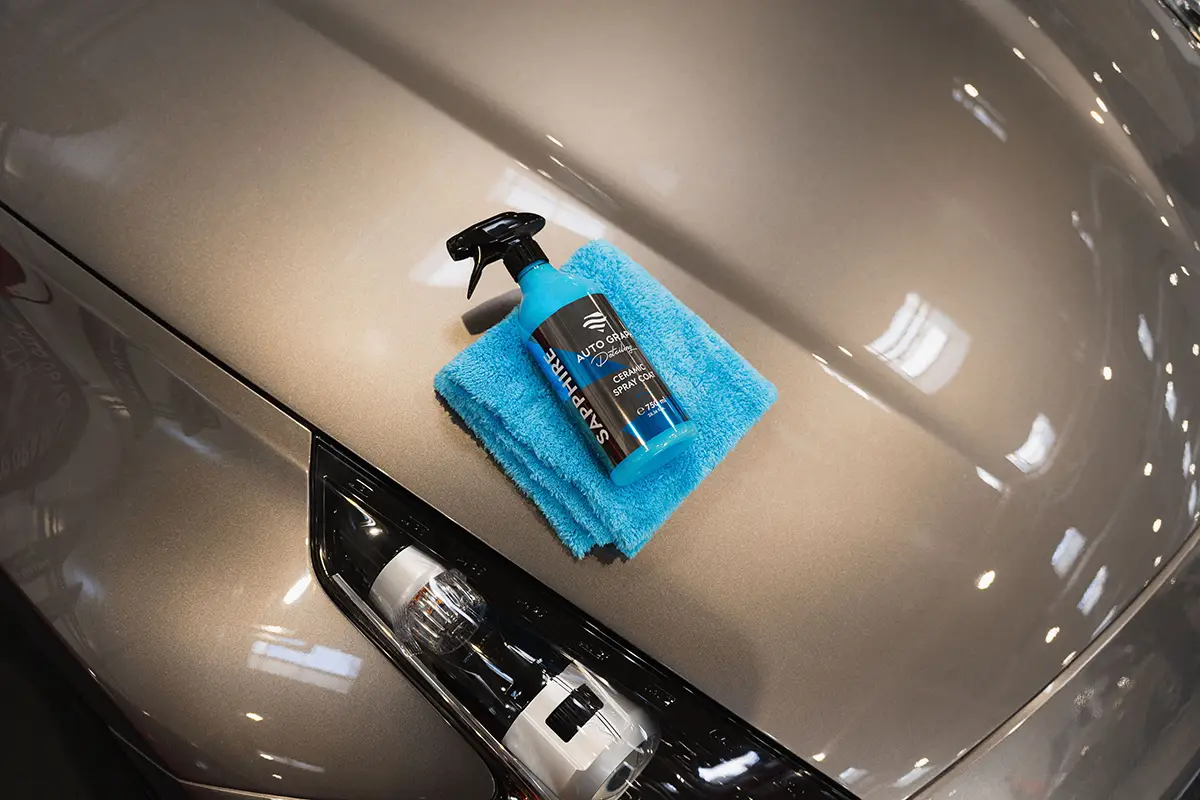
The decision to choose a product should be dictated by how long protection you expect and what visual effect you want to achieve. If you’re wondering what to protect car paint with, it’s worth paying attention to modern products based on silica – they guarantee significantly higher resistance to external factors than traditional natural waxes. An excellent solution is SAPPHIRE – Ceramic Spray Coat. This product contains a high dose of SiO2, the main component of ceramic coatings. It creates a hydrophobic layer that effectively limits dirt settling. The body will gain deep gloss and the so-called wet paint effect (Wet Look).
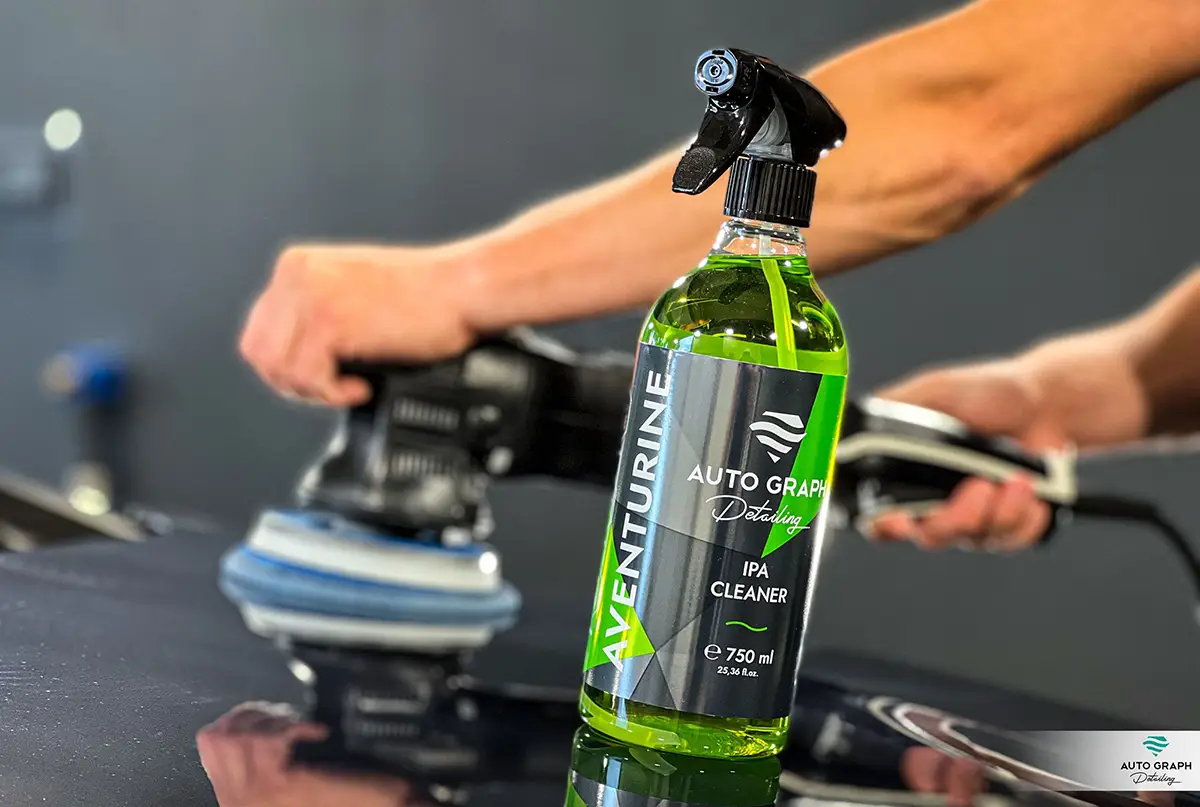
If you’re protecting paint after polishing, ideal degreasing of the surface is crucial. Use AVENTURINE product, which contains 99% pure isopropyl alcohol. Removing polish paste residue is necessary for the protective coating to bond permanently with the paint. Remember to always use clean microfibers when buffing products.
The winter period is the most difficult time for the body due to ubiquitous road salt. Many people wonder how to protect paint for winter to avoid permanent etching. During this time, the coating must be resistant to strong chemistry and low temperatures.
SAPPHIRE product works great as a protective barrier in difficult conditions. It protects the surface from aggressive salt action and facilitates routine vehicle washing. During regular winter care, it’s worth using ALEXANDRITE shampoo, which contains organic acids supporting mineral deposit removal and unclogging hydrophobic coatings.
Proper paint maintenance in winter requires regularity. You can make your task easier if you perform touchless car washing using appropriate cosmetics. However, remember never to apply products to heated paint or in full sun.
Rust most often appears in areas of clear coat micro-damage. The answer to the question of how to protect paint from corrosion lies in the protective coating’s tightness. Professional auto detailing relies on products that cut off access to corrosive factors.
Application of SAPPHIRE significantly reduces the risk of paint oxidation. Additionally, products such as CARNELIAN contain corrosion inhibitors in their composition. They protect the body already during the cleaning process. Regular removal of aggressive contaminants, such as bird droppings or tree sap, is equally important. For difficult insect contamination, use specialized TOPAZ product. Quick insect removal from the body prevents permanent damage to the paint structure.
Formation of “swirl” type scratches is most often the result of washing errors. If you’re wondering how to protect car paint, pay attention primarily to using safe accessories and appropriate chemistry. Polymer and ceramic coatings increase paint slipperiness, which reduces friction during mitt contact.
High-quality car cleaning cosmetics minimize the risk of mechanical damage. ALEXANDRITE shampoo provides excellent mitt glide, facilitating safe washing. If you’re wondering what best protects car paint in terms of slipperiness, SAPPHIRE will be the best choice. It creates a layer that repels water and sand particles.
The care process should be complemented by attention to details. Apply ONYX to tires to give them a satin appearance and protect against cracking. Streak-free clean windows will be provided by MALACHITE or hydrophobic EMERALD. A comprehensive approach makes the car look well-maintained and maintains its market value longer.
Many people mistakenly assume that a new car doesn’t require protection. Meanwhile, knowledge of how to protect paint on a new car is crucial for maintaining showroom condition. It’s worth remembering that paint on new vehicles is often soft and very susceptible to scratching.
Applying SiO2 protection right after purchase is the best investment. SAPPHIRE product will protect paint from rapid dulling.
Proper washing of a car with ceramic coating will allow you to enjoy its properties for many months. Regularly remove mineral deposits with LAZURITE product to restore full hydrophobicity to the coating. Remember that even the best protection requires systematic maintenance with dedicated AUTO GRAPH products.

Published: