Author: Artur Bonkowicz
How to wash a car at home and with what?
More
Winter is a period when the paint coating is constantly exposed to the destructive effects of salt, post-snow mud, and road chemicals. Regular car washing in winter is the only effective way to avoid corrosion processes, coating dulling, and costly bodywork repairs in the future.
Although many drivers worry about frozen seals or locks, giving up maintenance is a mistake that can result in irreversible coating damage. The right technique and selection of professional products make washing a car in freezing temperatures a completely safe process, crucial for maintaining the vehicle’s excellent visual and technical condition.
This is one of the most frequently asked questions by drivers when the temperature drops below zero. The short answer is: yes, and you even must. Road salt and chemical contaminants are highly hygroscopic (moisture-absorbing), which creates an ideal environment for rust – even at freezing temperatures.
Doubts about whether you can wash a car in winter mainly stem from concerns about freezing seals, locks, or cracking windows under the influence of hot water. These are real threats, but only when you do it improperly.
When can you safely wash a car?
In summary, can you wash a car in winter? Yes, but the key is proper preparation and using products that quickly dissolve dirt without requiring long soaking.
Remember that winter contaminants differ from summer challenges, such as removing insects from the body. It’s a greasy, heavy road film, saturated with salt and sand, that strongly adheres to the body. Attempting to remove this layer by directly rubbing with a sponge is risky – hard particles trapped in the dirt under hand pressure act like sandpaper, causing numerous micro-scratches and consequently visible paint dulling.
The foundation is touchless pre-washing.
Wondering how often to wash a car in winter? Experts recommend rinsing off salt at least once a week, even if it’s just a quick spray at a touchless car wash.
Choosing the right products is crucial for maintaining the paint in good condition. When choosing professional car cleaning cosmetics, you must remember that what to wash a car with in winter is a matter not only of aesthetics but also coating safety. Products must be stronger to handle aggressive salt, but at the same time safe for previously applied protections. This is especially important if you’re performing washing a car with ceramic coating, which requires dedicated care to maintain its properties.
Dissolving salt and road film
CITRINE Traffic Film Remover works best for fighting the heaviest winter dirt. This is a highly concentrated product with alkaline pH that effectively removes road film, greasy stains and – most importantly in winter – salt deposits.
Washing rims
Rims suffer the most in winter. For aluminum rims, use AMETHYST Rim Cleaner with neutral pH. However, for steel rims (“steelies”), which often become covered with rusty coating and heavy dirt, a better choice will be the aforementioned CITRINE TFR. Its alkaline formula cleans steel rims and hubcaps excellently.

Shampoo for special tasks
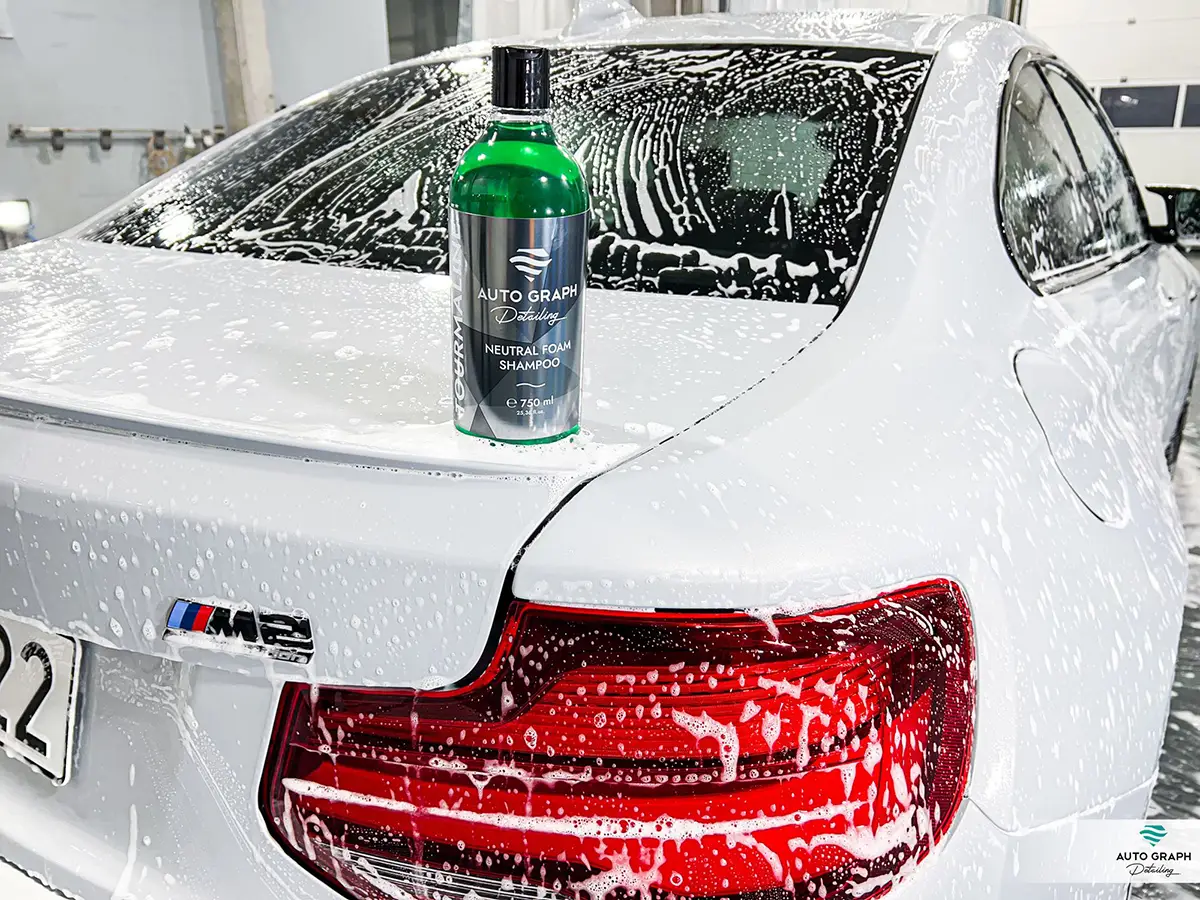
If you’re washing the car manually, a classic shampoo may not be enough. In winter, it’s worth reaching for ALEXANDRITE Organic Acid Shampoo with acidic pH. Why is this important?
Protection and drying
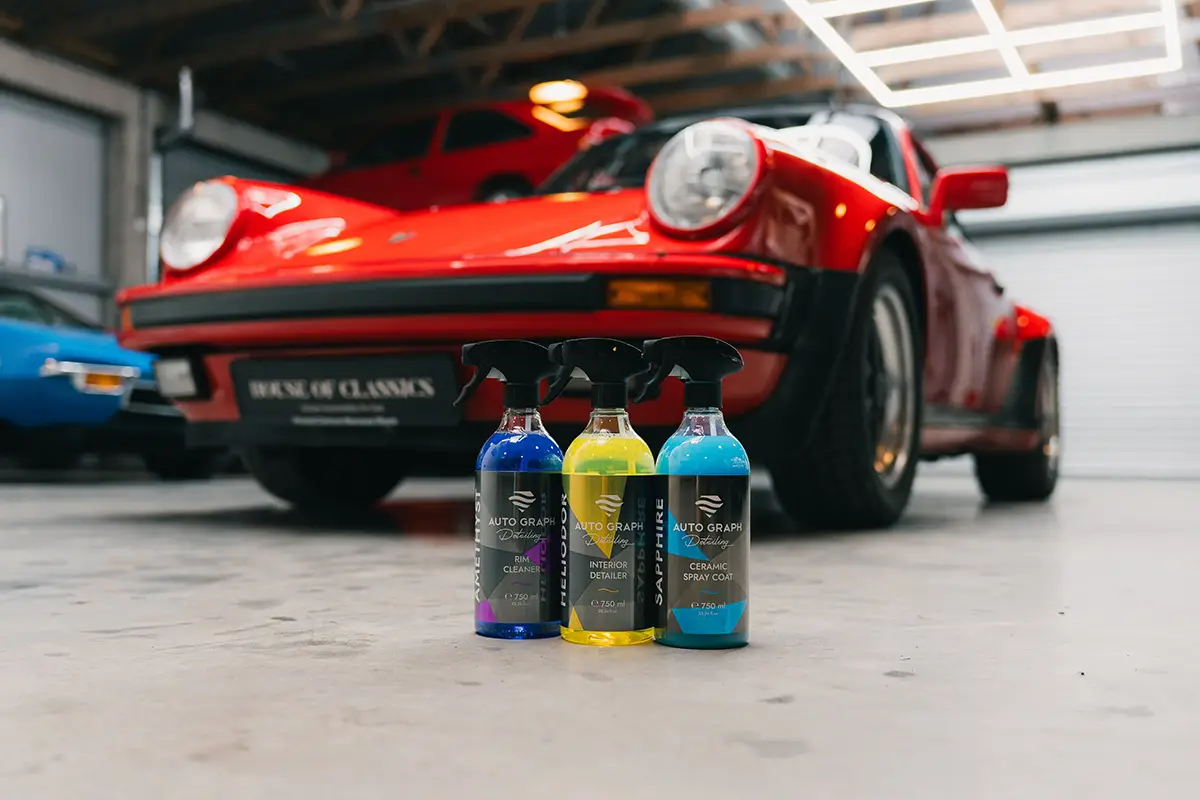
Washing a car in winter should end with protection. The best choice for this purpose is the irreplaceable SAPPHIRE Ceramic Spray Coat.
For most drivers, a car wash in winter is simply a quick touchless car wash. This is a safer option than an automatic car wash, whose brushes can rub sand into the paint. However, a touchless car wash has its pitfalls.
How to wash a car in winter at a touchless car wash?
Washing a car in winter at a touchless car wash is effective if you treat it as a salt rinse, not as a full, professional auto detailing.
If the temperature drops below -10°C, water freezes almost immediately upon contact with the body. In such conditions, washing a car is not recommended. However, if it’s light frost down to -5°C, it’s worth following a few rules.
An interesting and helpful product in winter conditions is isopropyl alcohol. AVENTURINE IPA Cleaner works great as a window de-icer and as a degreaser for wiper blades, which collect greasy deposits in winter.
The answer to the question of whether to wash a car in winter is unambiguous: yes, to protect it from corrosion. But how to do it without causing damage? First of all, touchlessly, using professional automotive cosmetics, such as CITRINE TFR, which will dissolve salt without scrubbing. Remember about thorough drying and protecting the paint with SAPPHIRE product. Thanks to this, your car will survive winter in excellent condition, and spring washing will be just a pleasant formality.

Published: