Author: Artur Bonkowicz
How do you look after the plastics inside your car so they always look new?
More

The aesthetics of a vehicle’s interior directly affect driving comfort and the car’s market value. Mechanical damage to the dashboard, centre console or door panels is a natural consequence of everyday use. Scratches occur as a result of contact with keys, jewellery or luggage being transported, among other things. Professional detailing offers effective restoration methods that bring these elements back to their original appearance – without the need for costly replacement. Knowing how to restore scratched plastics in a car allows you to maintain a showroom condition for many years to come.
Effective repair of scratched car plastics requires a precise assessment of the material type and the depth of the damage. Manufacturers use materials of varying hardness and texture. Hard plastics, prone to scratching, often show damage as a white discolouration at the point of the scratch. Soft materials, such as those used on the upper sections of the dashboard, are susceptible to dents and tears.
Superficially scratched car plastics can usually be concealed using dedicated dressings. Deep grooves that compromise the material’s structure require more advanced techniques, such as sanding or heat treatment. Correct diagnosis determines the choice of chemicals and tools, which is crucial for the final result. Using the wrong method can permanently damage the texture of the element if you are not precise.
The plastic restoration process consists of several fundamental stages. Each one plays an important role in achieving a lasting result. Skipping preparatory steps, such as degreasing, drastically reduces the effectiveness of products applied afterwards. Below we present the procedure for repairing scratched car plastics in accordance with detailing best practice.
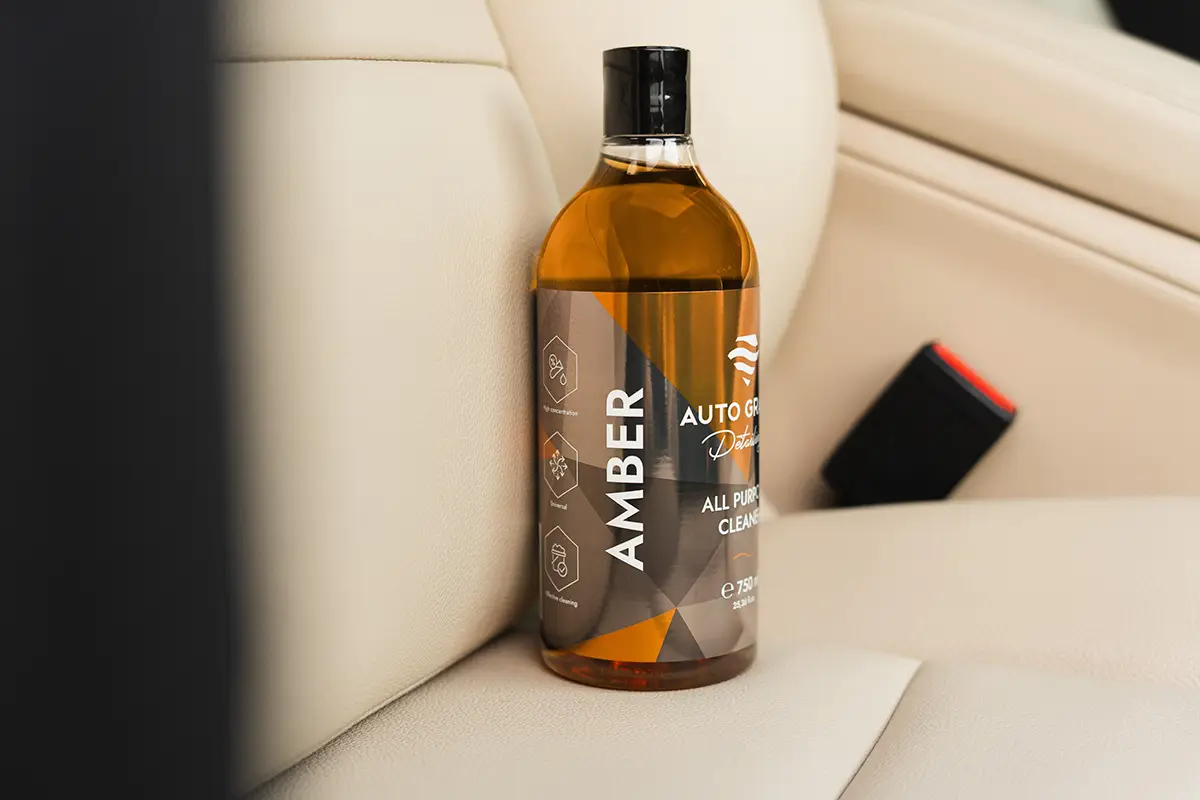
Dirt, dust and residues from previously used care products make it impossible to assess the true extent of the damage. The surface must therefore be thoroughly cleaned before any repair work begins. A highly concentrated APC (All Purpose Cleaner) product, such as AMBER, is best suited for this purpose. Its alkaline pH effectively tackles greasy and other types of soiling. It requires dilution with water, typically at a 10% concentration. Work the product in with a brush, reaching into the recesses of the plastic’s texture. Then remove the loosened dirt with a damp microfibre cloth and rinse off the chemical residue. Professional APC is an essential tool in every detailing studio.
For superficial damage, the best solution is to apply a dressing that darkens the plastic and optically conceals the scratches. MORGANITE is an excellent choice for this purpose. It is an interior dressing that not only conditions but also creates an antistatic layer. Its formula penetrates micro-damage, saturates the colour and leaves an elegant, satin finish.
Applying a dressing is simple and safe for most trim materials. Apply the product to a microfibre cloth and spread it evenly over the element you wish to restore. MORGANITE makes white discolourations invisible and restores a uniform appearance to the plastic’s texture. This is a proven solution for scratched plastics when the damage is not deep. Regular cleaning of car plastics and dressing application maintain this effect for a long time.

Deep damage requires intervention in the material’s structure. Professionals use a thermal method with a heat gun. Heating the plastic causes it to soften slightly, allowing the scratch to close up. This is a technique that requires considerable experience. Overheating the element leads to irreversible melting of the texture and the formation of shiny spots.
An alternative to the thermal method is the use of structural paints that fill the damage and recreate the original dashboard texture. It should be noted, however, that this is an advanced solution for scratched car plastics. For home use, it is safest to focus on thorough cleaning and regular conditioning of the materials.
It is far easier to prevent scratches from forming than to remove them. Plastics lose elasticity when exposed to UV radiation and temperature fluctuations, making them more susceptible to damage. Dried-out plastics crack and scratch much more easily than those that are regularly conditioned.
Using interior cleaner products such as HELIODOR is the foundation of everyday care for plastic car components. This product cleans and conditions surfaces simultaneously, leaving a natural finish. Its antistatic properties reduce dust settlement, which decreases the risk of micro-scratches when wiping the dashboard. HELIODOR works excellently on plastic and wood elements, and even on LCD screens.
It is worth investing in high-quality car care cosmetics that are safe for delicate interior materials. Avoiding harsh household chemicals prevents polymer degradation within the plastic’s structure.
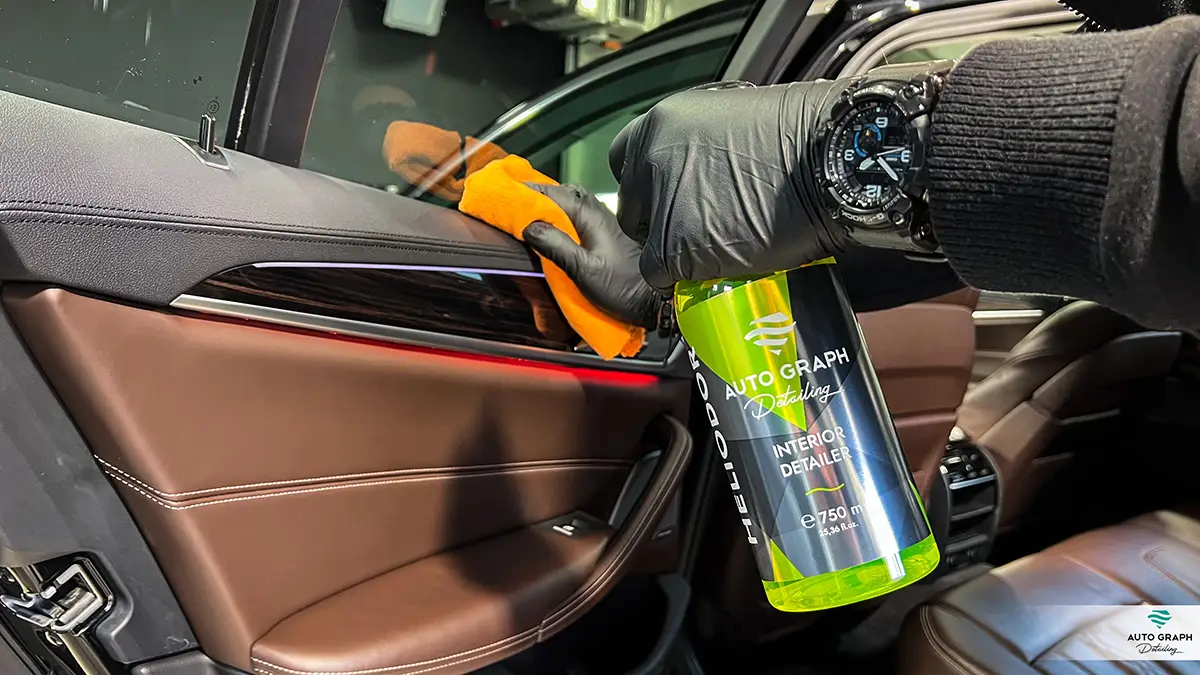
The way you clean your car’s interior matters greatly. Using rough sponges or contaminated cloths is the quickest way to damage smooth surfaces such as piano black trim. Always use clean, soft microfibre cloths dedicated to car interiors. Apply products to the cloth rather than directly onto the surface, to avoid streaks and stains on adjacent materials.
When choosing car interior cleaning products, pay attention to their protective properties. Products containing UV filters and moisturising ingredients, such as MORGANITE or ALABASTER (for leather), extend the lifespan of materials. As a result, scratched interior plastics become a problem that occurs far less frequently.
The choice of method depends on expectations and budget. Replacing the element with a new one is the last resort and the most expensive option. For most users, thorough detailing delivers a satisfactory result. If you are looking for an answer to what to use on scratched car plastics first, a good-quality dressing is the solution.
Applying MORGANITE immediately improves the appearance of the cabin. The product’s ingredients penetrate dull areas, restoring colour depth. It is an excellent solution for scratched plastics that detract from the look of door panels or sill trims. The satin finish makes the interior look well-maintained and fresh. A good plastic dressing should be part of every car-conscious driver’s toolkit.
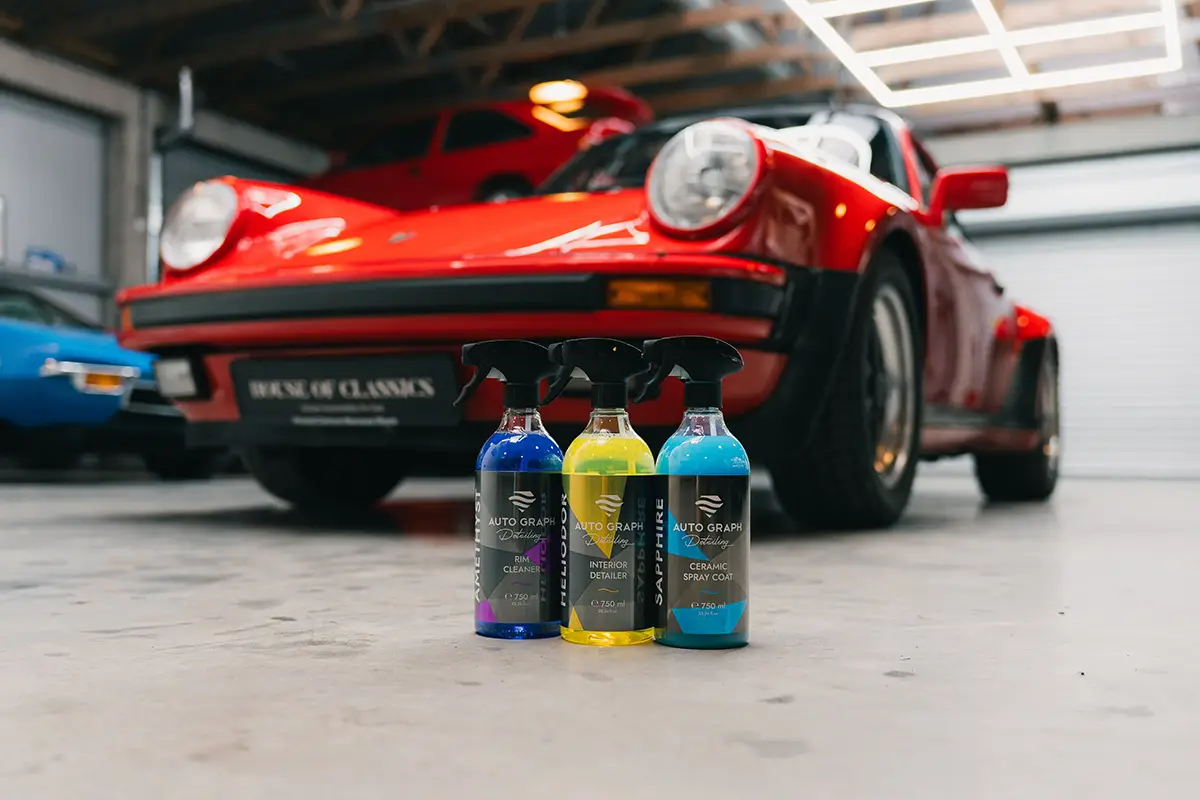
The concealment effect lasts for many weeks, provided appropriate products are used for regular cleaning. Aggressive detergents can wash away the dressing, exposing imperfections once again. For this reason, gentle HELIODOR should be used for regular dust wiping, as it does not disturb the protective layer applied previously.
When thinking about how to refresh scratched car plastics, remember the importance of consistency. Regular application of care products not only conceals existing flaws but also makes the material more supple. As a result, it becomes more resistant to accidental knocks, scuffs and scratches.
Restoring a car’s interior does not have to involve a visit to an upholstery specialist. Scratched interior car plastics can be effectively restored in your own garage using professional chemicals. The key to success is thorough surface cleaning with AMBER APC, followed by the application of a high-quality MORGANITE dressing.
Those looking for an answer to how to restore scratched plastics often overlook the importance of proper surface preparation. Applying a dressing to dirty plastic will give a short-lived and unsatisfactory result. Only the combination of thorough cleaning with deep conditioning guarantees a satisfying transformation. Remember that a well-maintained interior is not just about aesthetics – it also means a higher resale value for your vehicle. It is therefore worth taking the time to properly care for your dashboard if you want your car to remain in excellent condition.

Published: